



M5: Inclusive Learning Environments
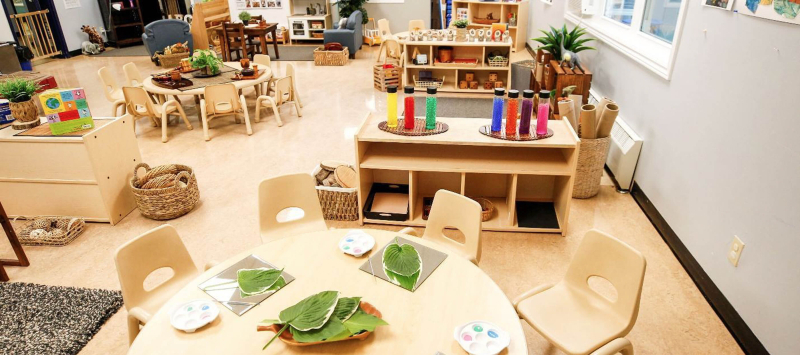
As part of the ongoing exploration of the Nova Scotia EarlyLearning Curriculum Framework (NSELCF), this session invites participants to analyzetheir early learning environments through a comprehensive lens. Participantswill examine how environments convey values, foster a sense of belonging, andshape children’s identities and learning experiences. This module offersopportunities to critically assess the design of early learning spaces andconsider ways to make environments more welcoming, responsive, and inclusivefor all children.
Participants will build on the floor plan activity from Module3: Connecting Early Learning Principles and Practices and expand theirreflections through the learning from this module: the four elements oflearning environments, Etuaptmumk (Two-Eyed Seeing), environment as thethird teacher, and the role of sensory and aesthetic elements.
Participants will:
- Examine the practice of Inclusive Learning Environments within the NSELCF and understand its connection to the Mi’kmaw principle of Etuaptmumk (Two-Eyed Seeing).
- Assess their current environments using the four elements of learning environments to identify opportunities for accessibility, flexibility, and emotional safety.
- Analyze how the environment functions as a third teacher, influencing children’s identities, relationships, and learning experiences.
- Apply knowledge of sensory and aesthetic elements to intentionallydesign environments that support all children’s development and well-being.